Links Golf 101: What Actually Makes a Course a True Links
The word gets stamped on every seaside course with a view, but a true links is a specific piece of land with specific rules. Here is how to tell the difference.

Jan Kuijpers · Founder of Narrows Golf
June 18, 2026 · 2 min read
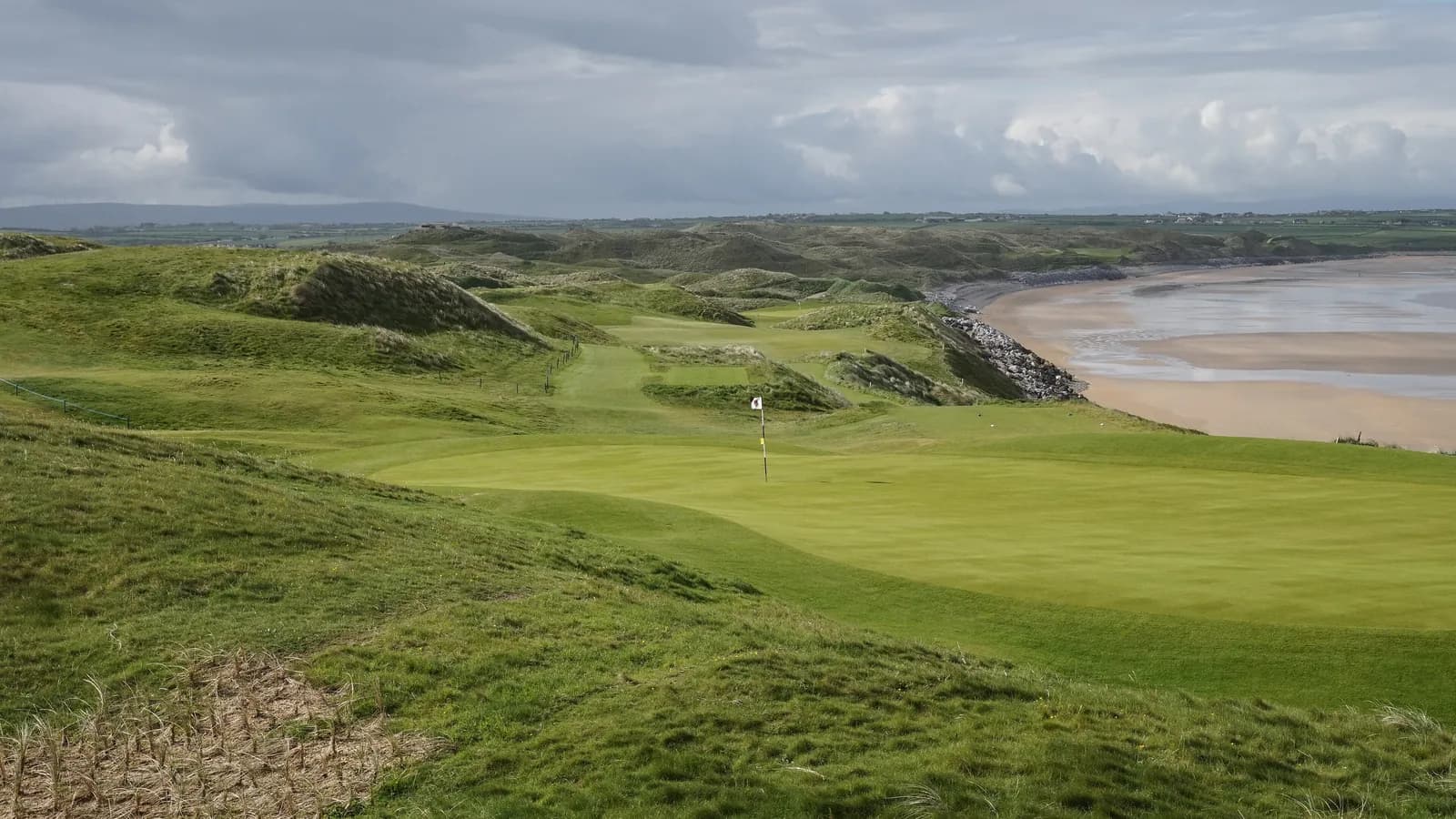
"Links" might be the most abused word in golf marketing. Resorts hundreds of kilometers from any coastline sell "links-style experiences," and any course with fescue and a sea view claims the title. But a true links is not a style. It is a specific kind of land, and there are only a few hundred genuine examples on earth.
The land comes first
The word comes from the Old English hlinc: the linking land between sea and farmland. Sandy, dune-shaped ground deposited by retreating seas, too poor for crops, good for little except rabbits, sheep and, as it turned out, golf.
That sandy base is the entire point. It drains instantly, which keeps the turf firm year-round. Firm turf is what creates links golf's defining characteristic: the ball bounces and runs. A links is played as much along the ground as through the air.
The checklist
Course architects generally agree a true links needs all of the following:
- Coastal dune land with sand-based soil throughout
- Firm, fast fescue turf rather than lush, watered fairways
- Natural terrain: humps and hollows shaped by wind, not bulldozers
- Constant wind as the course's primary defense
- Few or no trees, because trees don't grow in dunes
Notice what is not on the list: sea views. Several of the greatest links barely glimpse the water. The land, not the scenery, makes the links.
Why it produces a different game
On a modern parkland course, a well-struck 150-meter shot flies 150 meters and stops. Links golf breaks that contract. The same swing might need a 120-meter flight and 30 meters of run, or, into the wind, a 170-meter club held down and punched.
This is why the Open Championship produces such distinctive winners. It rewards imagination, flight control and acceptance in roughly equal measure. The player who insists on playing aerial target golf will make double bogeys from positions a ground-game player turns into pars.
Where to experience it
Scotland and Ireland hold most of the world's true links, and the pilgrimage classics are well known. But the more accessible truth for a Dutch golfer: some of continental Europe's best links-like terrain sits in our own dunes. The strip of coast between Haarlem and Bergen holds courses that play firmer and truer to the original idea than many famous "links" abroad.
Once you have played golf where the ground is your partner instead of your enemy, the watered version never feels quite complete again.
Photo: Bernard Gagnon, CC BY-SA 4.0, cropped

Keep reading
Hidden Gems: Five Underrated Golf Courses in the Netherlands Worth the Drive
Beyond the famous names of the Dutch coast lies a second tier of courses that punch far above their green fee. Five picks, from heathland to polder.
By Jan Kuijpers · June 14, 2026

Joost Luiten chases $680,000 top prize in India
Joost Luiten starts the final round of the DP World India Championship in pursuit. This is the prize money at stake in New Delhi.
By Jan Kuijpers · October 18, 2026

Rory McIlroy trades slim fit for wide trousers in India
Rory McIlroy has given his familiar tapered golf look a roomier update at the DP World India Championship, inspired by Tommy Fleetwood and the heat in Delhi.
By Jan Kuijpers · October 16, 2026