Hidden Gems: Five Underrated Golf Courses in the Netherlands Worth the Drive
Beyond the famous names of the Dutch coast lies a second tier of courses that punch far above their green fee. Five picks, from heathland to polder.

Jan Kuijpers · Founder of Narrows Golf
June 14, 2026 · 2 min read
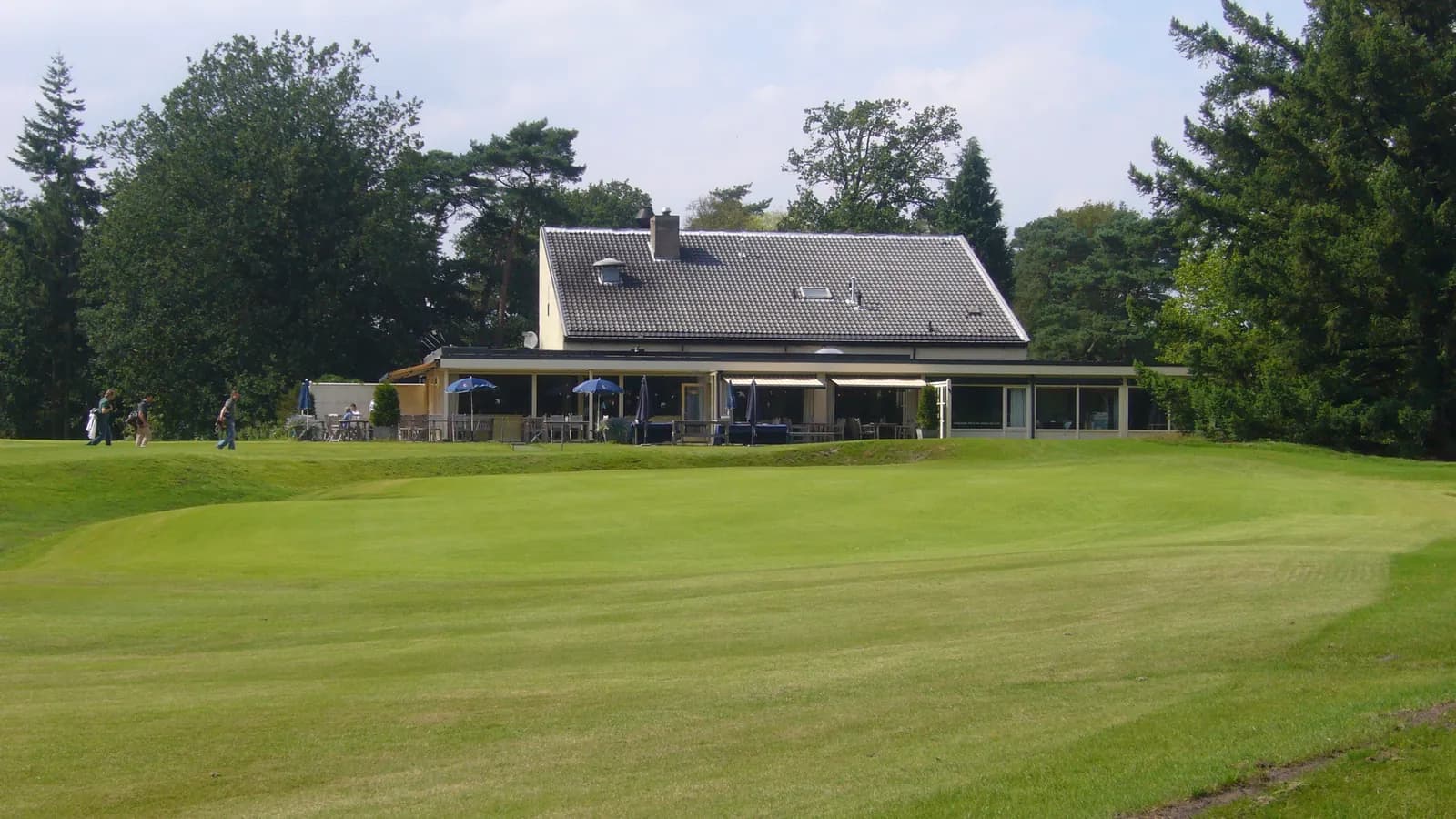
Ask a foreign golfer to name a Dutch course and you will hear the same two or three answers: the famous dune courses that host the big events and command the big green fees. Fair enough: they have earned it.
But the Netherlands quietly holds one of continental Europe's deepest benches of golf. Here are five courses that rarely make the international lists and absolutely should.
1. The heathland sleeper
The sandy soils of the Veluwe and Utrechtse Heuvelrug produce genuine heathland golf (purple heather, scots pine, firm turf) of a quality that would be nationally famous in England. The best of these courses offer a front nine through open heath and a back nine through forest corridors that demand every shape in your bag.
Why it's underrated: inland Dutch golf simply doesn't market itself abroad. The members like it that way.
2. The polder surprise
Golf built on reclaimed land sounds like a punchline: pancake-flat, windswept, artificial. The reality on the best polder courses is different: architects who embraced the wind and the water instead of fighting them, with angled fairways and greens that turn every breezy day into a strategy exam.
Why it's underrated: no dunes, no photos, no hype. Just golf that makes you think on every tee.
3. The nine-holer with a secret
Scattered around the country are nine-hole courses laid out on old estate grounds, with mature specimen trees and green complexes far better than their modest club houses suggest. One round is two loops with different tees, and twilight rates often dip under €30.
Why it's underrated: nine-hole courses get filtered out of every "best of" list by default.
4. The links cousin
Not all Dutch dune golf lives at the famous addresses. A handful of courses in the coastal strip share the same sand, the same fescue and much of the same architecture pedigree, at half the green fee and a fraction of the tee-sheet pressure.
Why it's underrated: it sits in the shadow of neighbors with major championship history.
5. The new build that got it right
Most new Dutch courses of the past two decades were built for housing developments or corporate days. A few were built by people who had studied the classics. The difference shows immediately: width off the tee, interest around the greens, no water hazard placed purely for insurance reasons.
Why it's underrated: golfers assume anything built after 1990 is a real-estate course. Sometimes they're wrong.
A note on names: this piece deliberately describes rather than lists: half the joy of a hidden gem is the finding. If you want the actual names, they're one friendly email away.
Photo: Pauline van Till, CC BY-SA 3.0, cropped

Keep reading
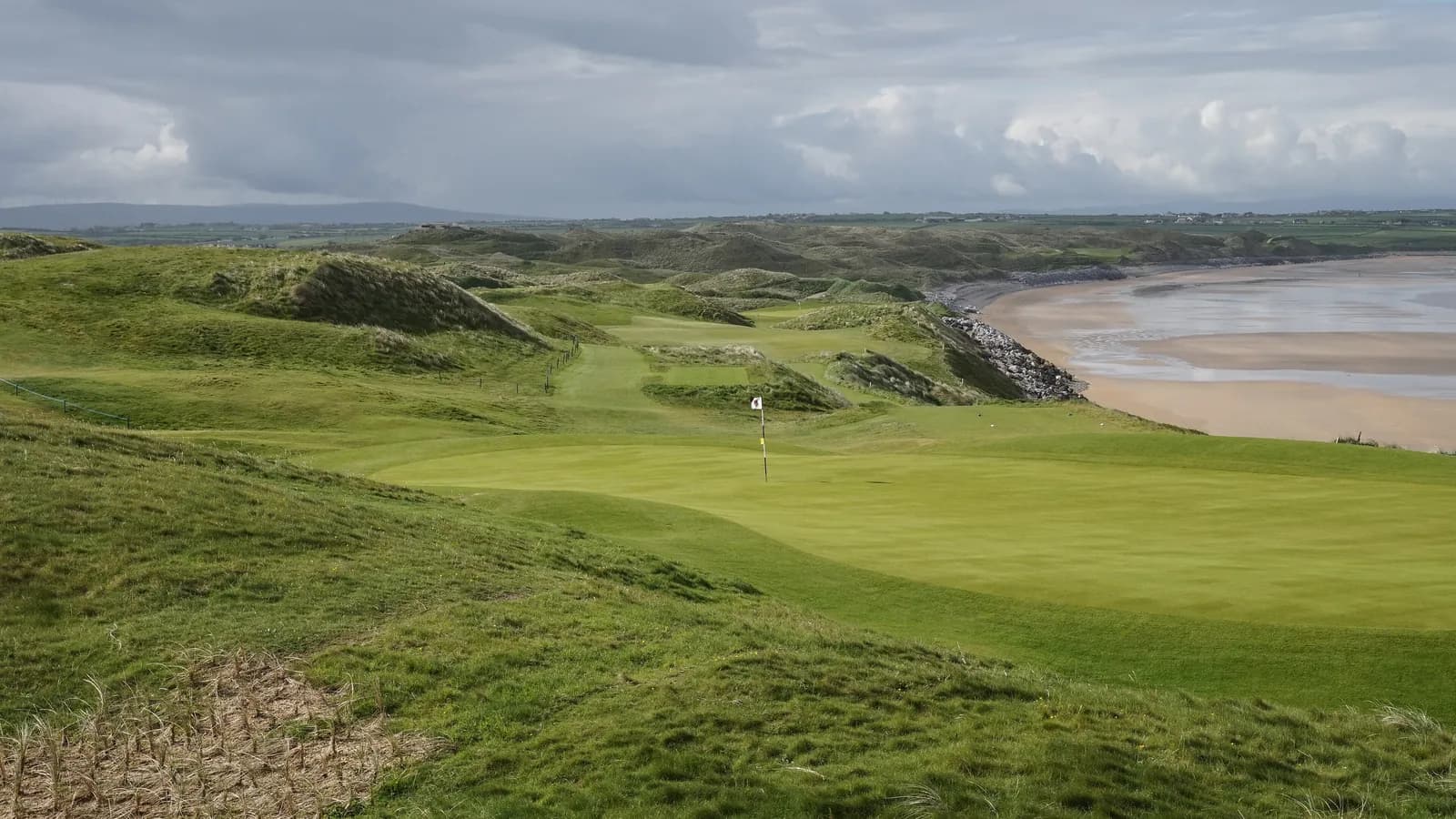
Links Golf 101: What Actually Makes a Course a True Links
The word gets stamped on every seaside course with a view, but a true links is a specific piece of land with specific rules. Here is how to tell the difference.
By Jan Kuijpers · June 18, 2026

Joost Luiten chases $680,000 top prize in India
Joost Luiten starts the final round of the DP World India Championship in pursuit. This is the prize money at stake in New Delhi.
By Jan Kuijpers · October 18, 2026

Rory McIlroy trades slim fit for wide trousers in India
Rory McIlroy has given his familiar tapered golf look a roomier update at the DP World India Championship, inspired by Tommy Fleetwood and the heat in Delhi.
By Jan Kuijpers · October 16, 2026